
Connecting Stablecoin Settlement to Global Payments
In brief
Current as of 2026-10-14.
- Mastercard and BVNK present the Global Money Platform as shared infrastructure for holding, converting, sending, receiving and spending fiat currencies and stablecoins. BVNK documentation
- The documented delivery models differ in who contracts with the provider, handles onboarding, and controls keys and custody. BVNK documentation
- The launch materials describe stablecoin acceptance, card settlement and local payouts as possible uses; the operational fit depends on a business’s liquidity, compliance and integration requirements. BVNK launch announcement
What changed
Mastercard and BVNK introduced a platform that brings fiat and stablecoin capabilities into a shared operating layer. BVNK’s documentation describes infrastructure for holding, converting, sending, receiving and spending both forms of money, with APIs for embedding wallets, payments, conversions, cards and rewards into a business’s product. It also describes direct use for treasury, collections and payouts. BVNK documentation
The documented capabilities include fiat-to-stablecoin, stablecoin-to-fiat and fiat-to-fiat conversions for major pairs. The platform lists support for more than 50 fiat currencies, stablecoins and cryptocurrencies across more than 20 blockchains and real-time payment rails. Those figures describe the platform’s stated coverage; they do not, by themselves, establish that every currency, network or payment route is available for every customer or use case. BVNK documentation
The launch announcement describes embedded multi-currency accounts with custodial and self-custodial options, conversion, card spending and local payouts. It also says that acquirers, payment service providers and digital platforms can accept stablecoins, settle card transactions in real time and reduce pre-funded working capital. These are described as platform uses, not guarantees of a particular settlement time or working-capital outcome for an individual implementation. BVNK launch announcement
Section source: Mastercard Global Money Platform | BVNK Documentation.
Why it matters
For a business, the practical change is the prospect of managing fiat and stablecoin activity through one payment operating layer. A platform can potentially collect funds in one form, convert them and pay out in another, while offering accounts under its own brand. PYMNTS independently reported that the offering brings together fiat and stablecoin capabilities, branded multi-currency accounts and treasury operations, and was available through BVNK at launch. PYMNTS coverage
That consolidation may reduce the number of separate integration points a team must coordinate. It does not remove the need to define where funds sit, when conversion occurs, which party owns each customer relationship, or how exceptions are resolved. Finance teams still need a reliable view of balances and payment status across fiat and on-chain activity; engineering teams need to understand how APIs, payment rails and custody choices fit their existing systems.
Liquidity deserves particular attention. The launch announcement presents reduced pre-funding as a potential benefit for certain acquirers, payment service providers and digital platforms. Whether that benefit applies in practice depends on the business’s funding flows, settlement arrangements and operating model, which the supplied materials do not quantify. Treat it as a design hypothesis to validate against the intended payment flows, not as a guaranteed reduction in working capital. BVNK launch announcement
The same caution applies to reconciliation. BVNK’s documentation lists transaction reports and webhook-based reporting among its reconciliation resources, but the supplied materials do not specify detailed matching rules or exception-handling procedures. Before choosing an integration pattern, teams should review the relevant implementation documentation and establish how transaction events will be associated with internal records and financial reporting.
Section source: Introducing the Mastercard Global Money Platform.
IT Finance perspective: what this means in practice

The central architecture decision is how much of the payment operation to delegate and how much to run under the business’s own controls. BVNK documents three models: direct, in which a business contracts with BVNK and operates through its portal or API; embedded, in which a business offers accounts and payments under its own brand while BVNK manages customer onboarding; and self-managed, in which the platform runs in the customer’s environment under the customer’s licenses, with the customer controlling keys and custody. BVNK documentation
These models shift responsibilities. Direct and embedded approaches may let a team rely more on the provider’s operating structure, while self-managed places more operational and control responsibility with the customer. The right fit depends on the firm’s licensing position, desired ownership of customer onboarding, custody policy, internal operational capacity and ability to support the integration. These are decision criteria for a design review, not claims that one model is universally safer or simpler.
Compliance claims need the same scrutiny. BVNK describes screening, more than 40 global licenses, and in-house custody with SOC 2 Type II and ISO 27001 as platform foundations. These are vendor-published descriptions, not independent verification of licensing scope or compliance outcomes. A prospective customer should assess the relevant jurisdictions, entities, services and responsibilities directly before relying on those statements in its own control framework. BVNK documentation
For implementation planning, map each payment flow from initiation to final accounting entry. Identify the source and destination of funds, conversion points, custody responsibility, customer onboarding owner and records needed by treasury and finance. Then test how the chosen delivery model handles delayed, rejected or unmatched activity using the provider’s detailed implementation materials. The supplied overview establishes capabilities and model boundaries, but does not document the full mechanics for operational exceptions.
Section source: Mastercard Global Money Platform | BVNK Documentation.
What to do next
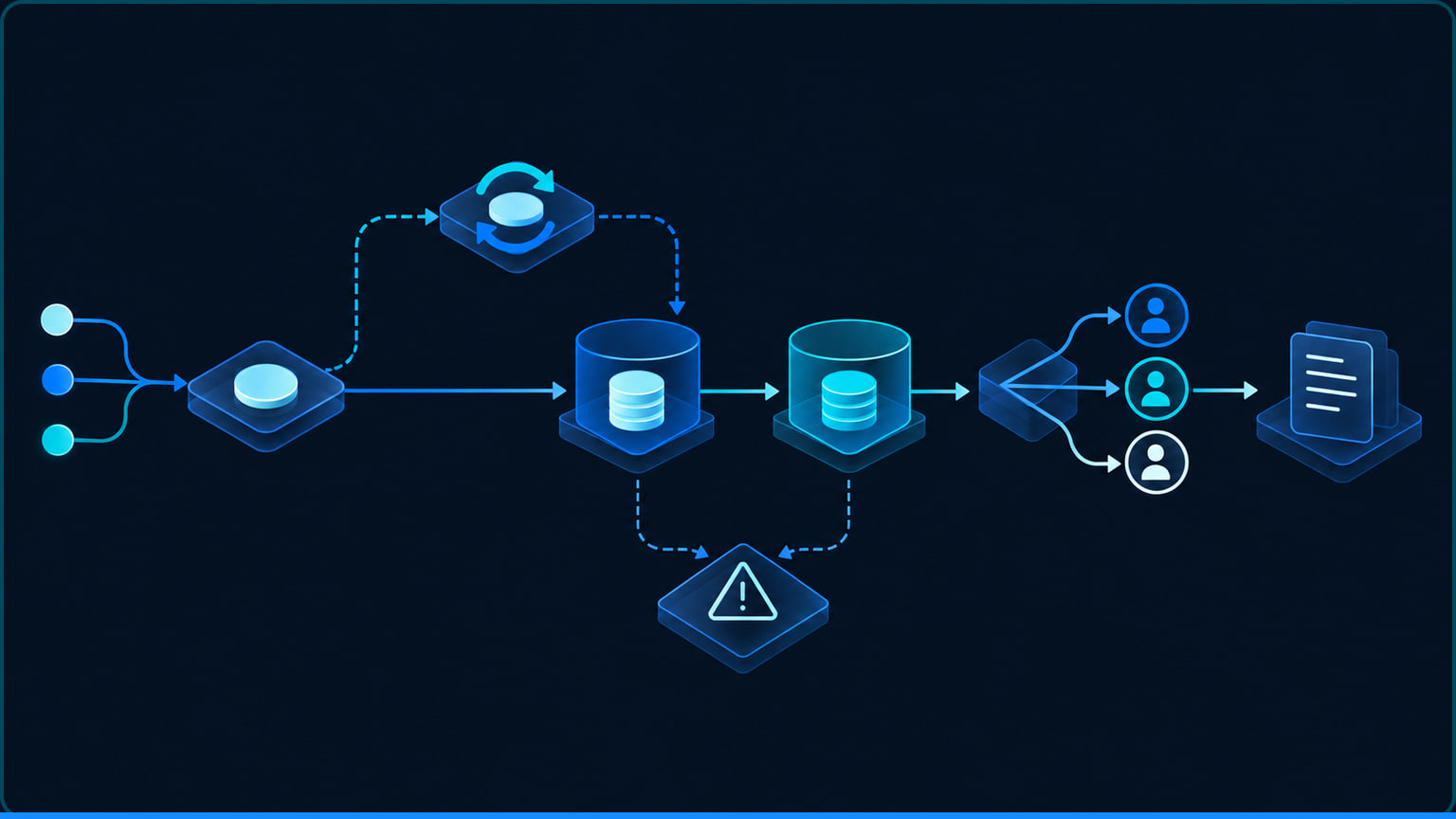
- Map one concrete payment flow, including collection, any conversion, settlement, payout and accounting hand-off. Mark where fiat and stablecoin balances are held.
- Compare direct, embedded and self-managed delivery against your licensing, onboarding, custody and operating requirements. Ask the provider to clarify responsibilities for the specific jurisdictions and flows in scope.
- Review the implementation documentation for reporting, webhooks and reconciliation. Define how finance and engineering will identify unmatched transactions and handle payment exceptions before production use.
If you are evaluating how this development should translate into a secure implementation roadmap, discuss the architecture and compliance boundaries with the IT Finance blockchain integration team.
Conclusion
The Global Money Platform is presented as a way to connect fiat and stablecoin activity within a broader payment layer. Its usefulness for a particular business will depend on how well the delivery model, liquidity arrangements, compliance responsibilities and reconciliation processes fit that business’s existing operations.
FAQ
Does the platform require a business to hold stablecoins?
The documentation describes fiat and stablecoin wallets, conversions and payouts as platform capabilities. The supplied materials do not say that every participating business must use stablecoins.
Who manages customer onboarding?
In the documented embedded model, BVNK manages customer onboarding. Under the self-managed model, the customer operates the platform in its environment under its licenses; confirm the specific responsibilities for the proposed deployment with the provider. BVNK documentation
Does stablecoin settlement eliminate pre-funding?
The launch announcement says certain businesses can reduce pre-funded working capital. It does not quantify the outcome or establish that it applies to every flow, so businesses should validate the expected effect against their own settlement and liquidity design. BVNK launch announcement
Sources
- Mastercard Global Money Platform | BVNK Documentation
- Introducing the Mastercard Global Money Platform
- Mastercard and BVNK Unite Fiat and Stablecoins in Global Money Platform
This article was prepared with the support of AI tools and verified against the public sources listed above.